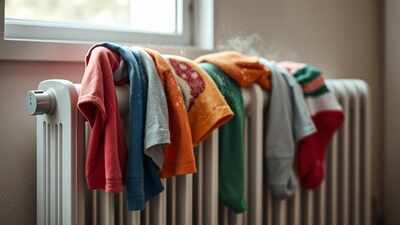
During the chilly months, we find ourselves in a rush to try to get our laundry done as fast as possible. We don’t have the luxury of a dryer and an outdoor setting where the clothes can dry. Hence, we use the radiator as a drying place. It looks like a two-in-one solution; drying is fast, and the humidifying effect brings some moisture back to the arid winter air. However, there might be a complex process going on below all that fresh-smelling laundry.For many of us, dust is simply an insignificant, inactive particle that sits in our bookshelves and only needs to be wiped away periodically. However, dust is made up of an active collection of dead skin, hair from pets, pollen, and minute fibres. Once such an accumulation comes into contact with the intense heat emanating from a domestic heating system, it becomes more active and poses further dangers to our lungs.Heated dust particle physicsThe scary aspect of such dust accumulations is not the balls of dust found in the corners, but the tiny particles found within. When dust reaches its heating point, which is usually between 120 and 180 degrees Fahrenheit, there are some essential changes in its structure. The heat causes the release of ultrafine particles trapped in the dust. Such particles can penetrate our respiratory organs since they can bypass all our protective mechanisms.A landmark study titled Physical changes of indoor dust caused by hot surface contact explored exactly what happens during this process. The researchers found that heating indoor dust triggers a surge in sub-micron particles. These are essentially tiny “condensation” particles that form when volatile compounds or water vapour are baked out of the dust by the hot radiator. These ultrafine particles are light enough to remain suspended in your living room air for hours, long after the laundry is dry and put away.According to this study, the radiators not only act as sources of heat, but they can also be sources of particles that they can release, provided they are not kept clean. The drying of clothes on hot radiators is not just heating them, but rather making the dusty air emanating from the radiator heat up.
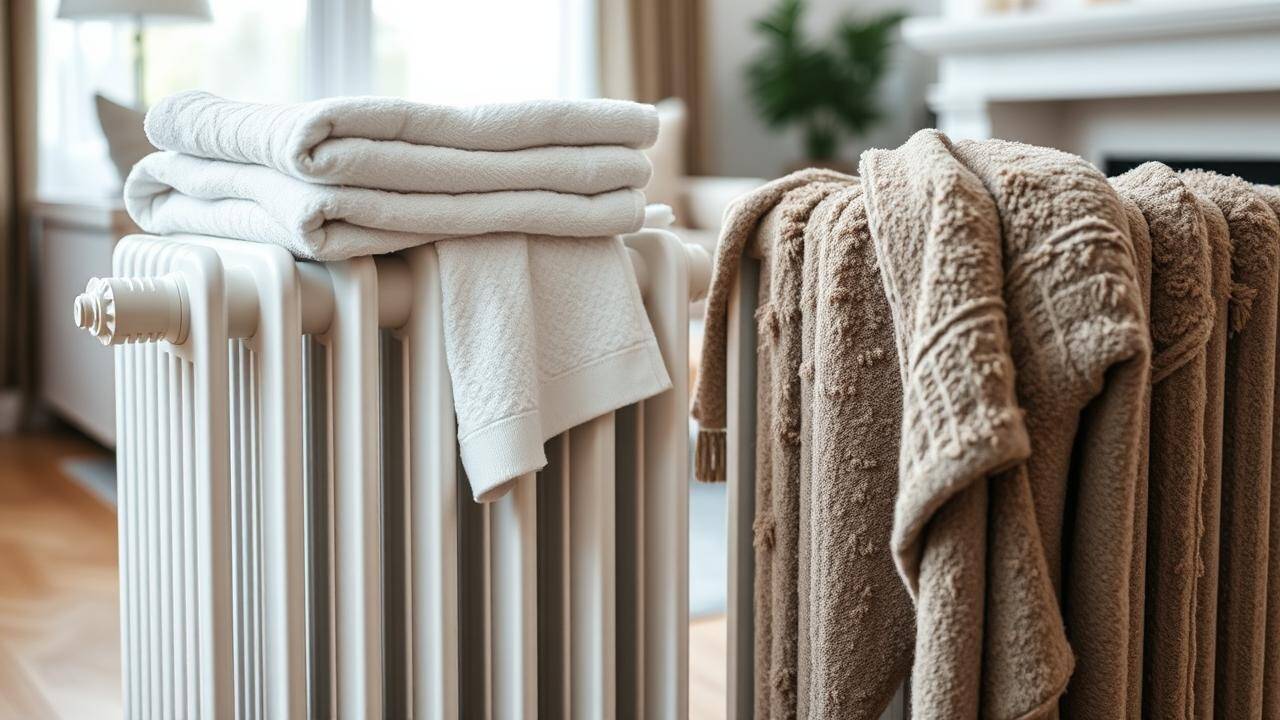
Managing indoor dust sources and keeping radiators clean are crucial for maintaining healthy air quality, especially for vulnerable individuals.
Protecting your family’s breathingThis is particularly important when it comes to kids, the elderly, and people with asthmatic conditions or allergic diseases. Due to their very small size, they can irritate when they enter the lungs. The concentrations of these particles may become higher in places where the ventilation is not good.According to guidelines from the Environmental Protection Agency (EPA) in their report on Sources of Indoor Particulate Matter, managing the sources of these particles is the most effective way to maintain healthy indoor air. The EPA notes that fine particles smaller than 2.5 micrometres are especially risky because they can enter the bloodstream and affect both lung and heart function. By using radiators as drying racks, we are essentially creating an unnecessary source of indoor pollution in the very rooms where we spend the most time during the winter.According to the EPA, we can neither eliminate the presence of indoor dust completely nor influence its behaviour, but we can certainly control it. The major offenders in raising dust from the floor to breathable heights are disturbances and warming. Thus, hanging wet clothes near a heated metallic radiator poses a problem, especially for those individuals who react badly to poor air quality.How to avoid dust while still air drying your clothesTo ensure your air remains fresh and yet dry your jeans by morning, try to separate the heat source from the drying clothes. Get a portable folding drying rack and place it a couple of feet away from the radiator. Use the warmth in the air, and avoid overheating the dust on the metal radiator. This strategy will help you distribute the heat evenly throughout the room.Maintaining radiators is crucial but can be easily neglected. Before the beginning of the heating period, clean the radiator’s fins using a wet rag or a special cleaning brush for radiators. This action considerably limits the number of particles used as fuel. In case you frequently use your indoor drying facilities, consider putting an air purifier equipped with a HEPA filter into your home. Such devices are specifically designed to catch extremely fine particles.Just by making some slight modifications, such as moving the position of the drying rack and cleaning the heaters, you will get the warmth in your house without being affected by the harmful aspects that come along with the radiator dust.