Freedom isn’t “taught” to children. In fact, it comes from the repeated chances where they get to decide everyday small and real things. Sometimes freedom is misunderstood with letting children do whatever they want. However, it’s about allowing children to make age-appropriate choices and offering them safe boundaries. When children are given the liberty to choose, they develop qualities that make them confident and responsible. Here are six practical, real-life areas where children should be allowed more freedom from a young age:
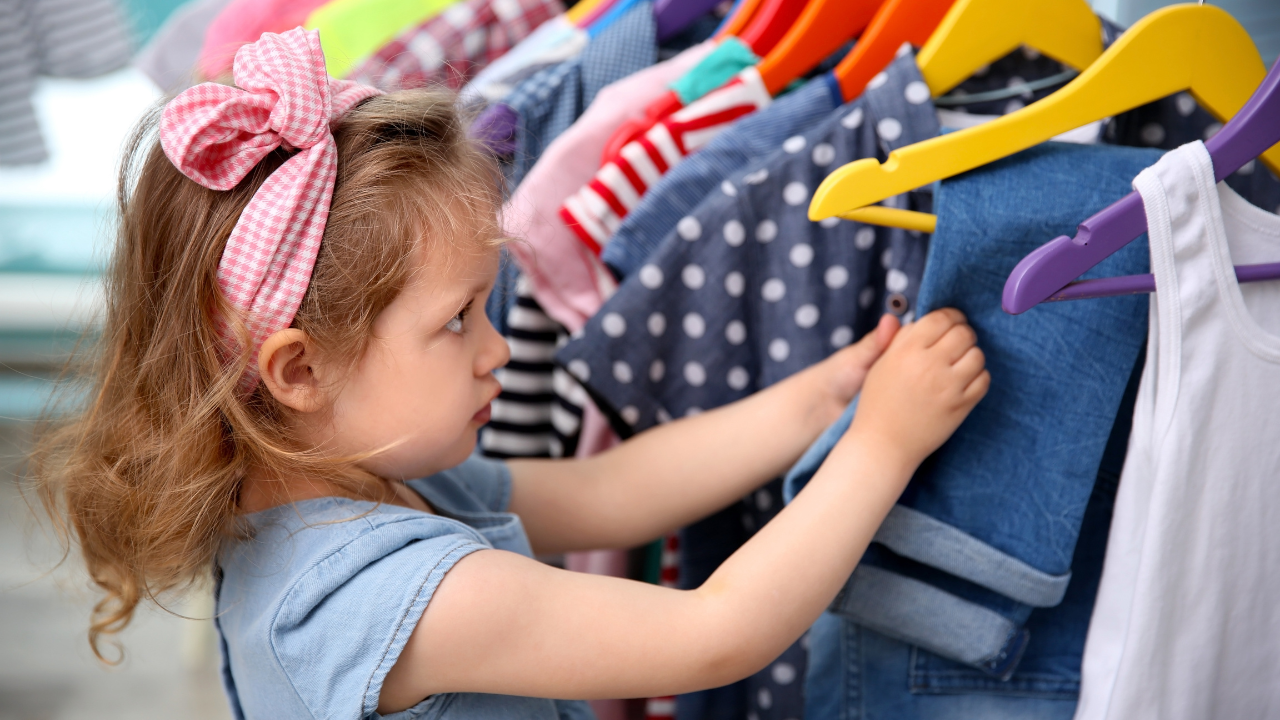
Choosing their clothes
Letting children choose what they want to wear may seem to be a small thing, however, it’s one of the easiest ways to build independence from a young age. How parents can help make the right choice is by offering them two or three weather appropriate outfits.When children choose what to wear on their own, even if mismatched, they gradually learn what feels comfortable and what suits best with their personal expression.
Deciding how to use their free time
It’s the free time where children develop creativity or feel constantly “scheduled” by adults. The balance lies in guided freedom, where children know they have the liberty to choose within safe and reasonable boundaries. Children who are allowed to manage their free time in small ways often grow into teenagers who are less dependent on external entertainment, can regulate screen time better, and develop hobbies naturally instead of being pushed into them.
Choosing what they want to eat (from healthy options)
Food is the most common area where control often turns into conflict. Certainly, giving children too much freedom for eating can lead to unhealthy habits. That is why the solution lies in controlled choice where parents decide the menu and children decide their preference within them. The key is parents decide what is available and children decide how they participate in it.
Choosing what they want to read
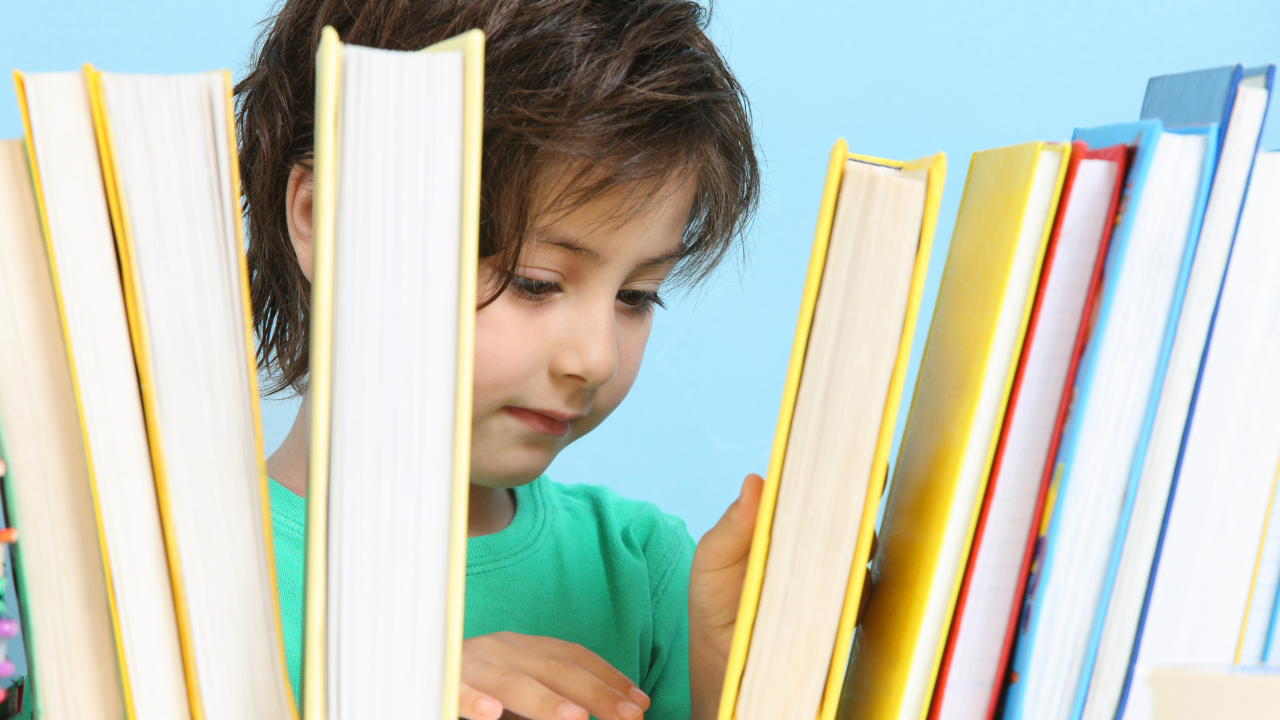
Reading becomes meaningful when children see it as a choice and not an obligation. When parents force a book on children just because it is “educational,” they make children lose interest in reading. On the other hand, by allowing them to choose what they want to read (from an age-appropriate set of options), children become more consistent readers over time and are more likely to read voluntarily as they grow older.
Managing personal space
When parents constantly reorganise children’s space without involving them, they unknowingly make them less responsible. A child’s sense of responsibility doesn’t come only from instructions—it develops when they feel ownership over something. Personal space, even in small forms, gives children the experience of “this is mine to manage,” which is an important step toward independence. When everything is controlled or constantly rearranged by adults, children may not learn how to organise, maintain, or respect their own environment.Ultimately, when children are allowed to make small decisions consistently, they don’t just learn what to choose, they learn how to think.