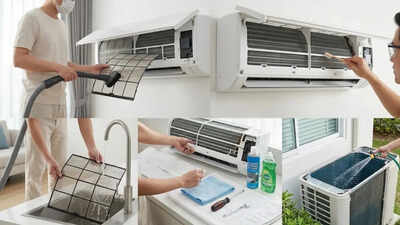
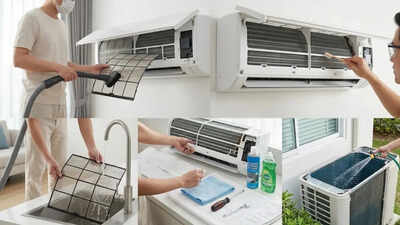
If you want to keep your air conditioning system running at top efficiency and performance throughout the warmest months of the year, the best method is through proper maintenance. Many of the world’s top air conditioning manufacturers, including Hitachi and Electrolux, report that well-maintained systems perform between 5 percent to 15 per cent more efficiently than poorly maintained systems when they maintain a clear, unobstructed air flow. In this guide, we will specifically discuss five important areas of maintenance for your air conditioner that will enhance your system’s performance and protect against indoor water damage or mould growth, including growing inside your system from condensation. All manufacturers recommend following these maintenance guidelines to help reduce your total monthly electric bill, improve your air conditioning unit’s longevity, and improve indoor air quality and overall comfort in your home.
Essential preparation for servicing your AC at home
Before beginning the physical cleaning process, you will need the proper tools in order to perform the process effectively. The tools you require to perform this process include: a vacuum cleaner with a brush attachment; a soft-bristle brush (old toothbrush); a screwdriver; a lint-free microfiber cloth; and a mild soap. You will also need to make sure that you have access to the outside unit as well as to the inside unit. Preparing in this way provides an excellent basis for servicing the air conditioning unit properly; it also prevents interruptions in the cleaning process while making sure that delicate parts inside the unit receive the care and precision required to achieve results that are suitable for a professional level of service.
Service both indoor and outdoor AC units without professional help
Power off and dry the AC
To avoid electrical hazards, first ensure the unit is off at the circuit breaker or unplugged from the wall before working inside the unit. If the unit has recently been running, switch it to ‘Fan Mode’ for 30-40 minutes to help evaporate moisture that has built up inside so that it is easier to clean without creating a muddy mess.
Deep-clean the air filters
Once you have completed both of these tasks, you can open the front panel and carefully slide the rectangular filters out of the unit. Use a vacuum with a soft brush to remove dirt and other debris from the filters. After you have vacuumed them, wash them in lukewarm water (under 40 degree Celcius) with mild detergent (no bleach or other harsh chemicals) in your kitchen sink. Do not dry the filters in the sunlight; UV rays and heat will warp the plastic mesh that the filters are made of. Be sure to allow filters to air-dry completely in a shaded, well-ventilated area and bone dry before you reinsert them in the unit to avoid the possibility of wet-sock odours and/or the growth of mould.
Sanitise the cooling fins and coils
The cooling fins are made of metal, which can become dirty and need cleaning. To do this, you should use an air blower or a soft-bristled brush and gently remove the dust from the fins. These aluminium fins are extremely fragile; avoid touching them with your fingers, so take care when cleaning them. For a more thorough cleaning, you can use an evaporator coil cleaner that does not require rinsing. The product foams up and dissolves the dirt, and when you turn the air conditioning unit back on, the waste drains away through the condensate systems.
Clear the condensate drain line
A clogged condensate drain line in your indoor unit usually causes water to leak into your house. To fix this problem, you need to locate the condensate pan and the drain line, then use a 1:1 mixture of distilled vinegar and water to flush out any algae or fungus. If you cannot clear the line with the mixture on one end of the line, you can use a wet/dry vacuum on the outside end of the drain line to help clear the blockage.
Clean the outdoor condenser coils
The outdoor condenser unit is constantly exposed to bad weather situations, where dust and bird droppings tend to build up on them very quickly. One way you can clean your outdoor condenser is by using a garden hose with a sprayer attachment to spray the outside of the condenser’s metal fins from the inside out with warm or cool water. You do not want to use high-pressure water or power washing because it can cause the aluminium fins to bend, restricting the amount of heat exchange that can happen. If the coils are filled with excessive dirt, you should apply a specialised cleaner made for cleaning condenser coils and give it a chance to sit for about 10 minutes before rinsing it off.
Clear the surrounding area
In order for the outdoor unit to work properly, there must be no obstructions preventing air from moving through the condenser. Make sure that there is a minimum of 2 feet (60 centimetres) of clear area around the unit. Make sure there are no piles of leaves, weeds, or any other items that could obstruct the fan from exhausting air out of the top of the unit. Doing so prevents the compressor from overheating and reduces the possibility of the system burning out during severe heat waves.