Love is a feeling that deep down we all crave, we also want to be felt needed by those we care about and it connects through small gestures.Simple efforts like sharing food or a ride, has a far deeper meaning than the favour itself.But sometimes rejecting it can unintentionally can push people away, dimming their sense of purpose in our lives.Sometimes little moments build bonds stronger than grand gestures ever could.
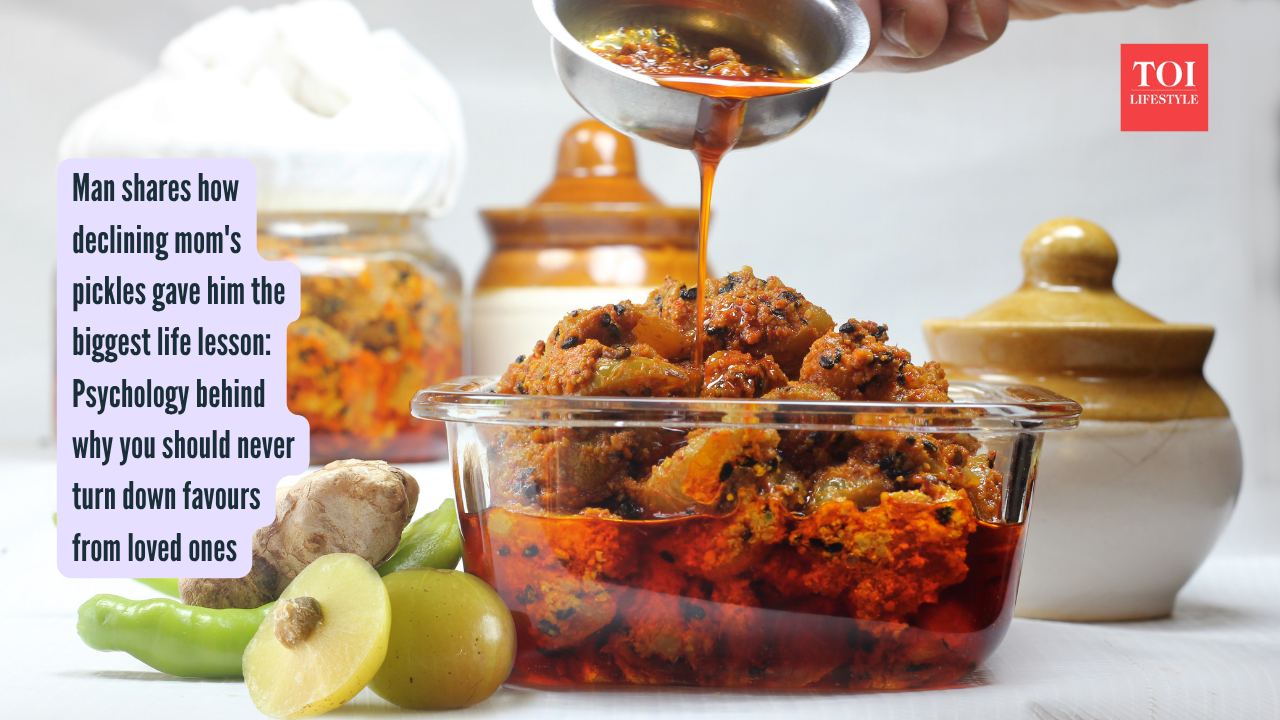
Representative Image
While the world today is keeping up with the fast paced lives in a busy world, letting loved ones contribute keeps relationships warm and alive.But when we unintentionally decline what our loved ones try to do, what feels like independence to us often reads as rejection to them.This truth ties directly to the Ben Franklin effect.Recently a viral tweet is doing rounds on social media, where a user living abroad narrates how he rejects his mother’s offering of pickles, and what impact that might have on her, without his intention.
How a man’s rejection to his mother’s gesture gave him the lesson of his life
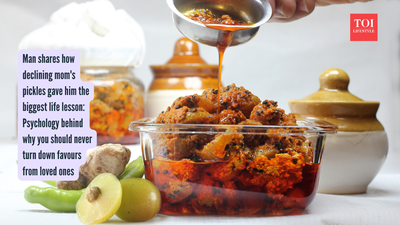
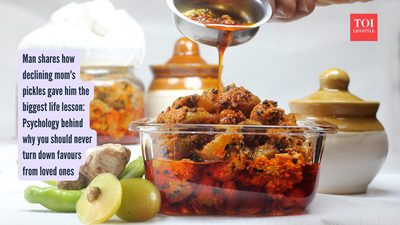
At 27, living in New York on Wall Street, a man turned down his mom’s homemade pickles, and shared his life lesson on social media writing, “I was 27, living in New York, working on Wall Street. I didn’t need pickles shipped across the world. The shipping would cost more than buying them here.”Three years later, he read a piece on psychology that revealed the harm, “When you reject someone’s offer to help, you’re not just declining assistance. You’re declining their need to matter to you!”Mom wasn’t fixing a need, she wanted to feel useful across oceans, “She wanted to send them because SHE needed to feel useful to me. To feel like despite the ocean between us, she still had a role in my life.” Saying “I’ll manage” stole that role.
What Is the Ben Franklin Effect?
The Ben Franklin effect describes how helping or doing a favour for someone increases the perception that we like them.Named after Benjamin Franklin, who shared the story in his autobiography, it comes from cognitive dissonance theory.
How Franklin figured this out
The user wrote, “Benjamin Franklin figured this out in 1736. He had a rival in the Pennsylvania legislature who hated him. Instead of trying to win him over with favors, Franklin asked the rival to lend him a rare book. The rival agreed. They became lifelong friends. It’s called the Ben Franklin effect”
User shares his lessons after living a decade abroad
“Accepting small favors isn’t about you needing help. It’s about letting people you love feel needed.” Let Dad send ₹5000, friends drive you, partners brew tea. He added, “the people who love you don’t want to solve your big problems. They want to matter in your small moments”.