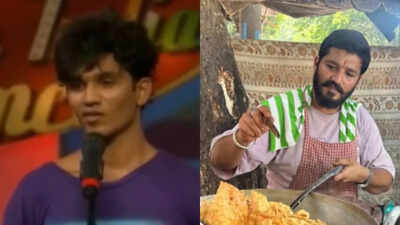
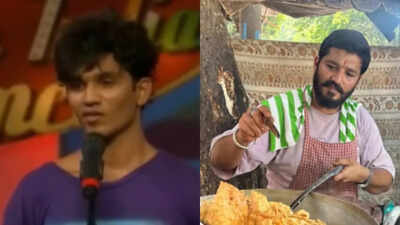
There was a time when Shyam Nath Goswami’s name belonged to the glow of television lights and the hope that comes with a young talent being seen. Today, his days look very different: he runs a modest samosa stall in Hyderabad, carrying the weight of family responsibility while still holding on to the dream that dance once gave him. His story has resonated because it is not just about struggle, but about how quickly life can redraw a child’s future. Scroll down to read more…
A childhood built around work and rhythm
Goswami grew up in a small one-room home in Hyderabad, where his father’s snack business shaped the rhythm of daily life. Before and after school, he helped at the bhajiya stall, peeling potatoes, preparing fillings and serving customers. The family managed, but only just. That early routine made work feel ordinary long before he was old enough to understand what it meant to carry responsibility.His introduction to dance came in Class 6, when his family bought a set-top box. Watching Dance India Dance changed something in him. He became obsessed with the movement, discipline and energy of the stage. According to a video shared by Humans of Bombay on Instagram, he would stay up late watching performances and then practice until 2 am, trying to shape his love for dance into something real. What began as admiration slowly became ambition.
The dream that reached television
At 19, Goswami took a leap that many children from modest backgrounds only imagine. Without telling his family, he skipped college and went for the Dance India Dance auditions. After hours of waiting, he performed and emerged as the only contestant from Hyderabad to be selected. His Tollywood-inspired style stood out, and for a moment, the door to a bigger life seemed open.
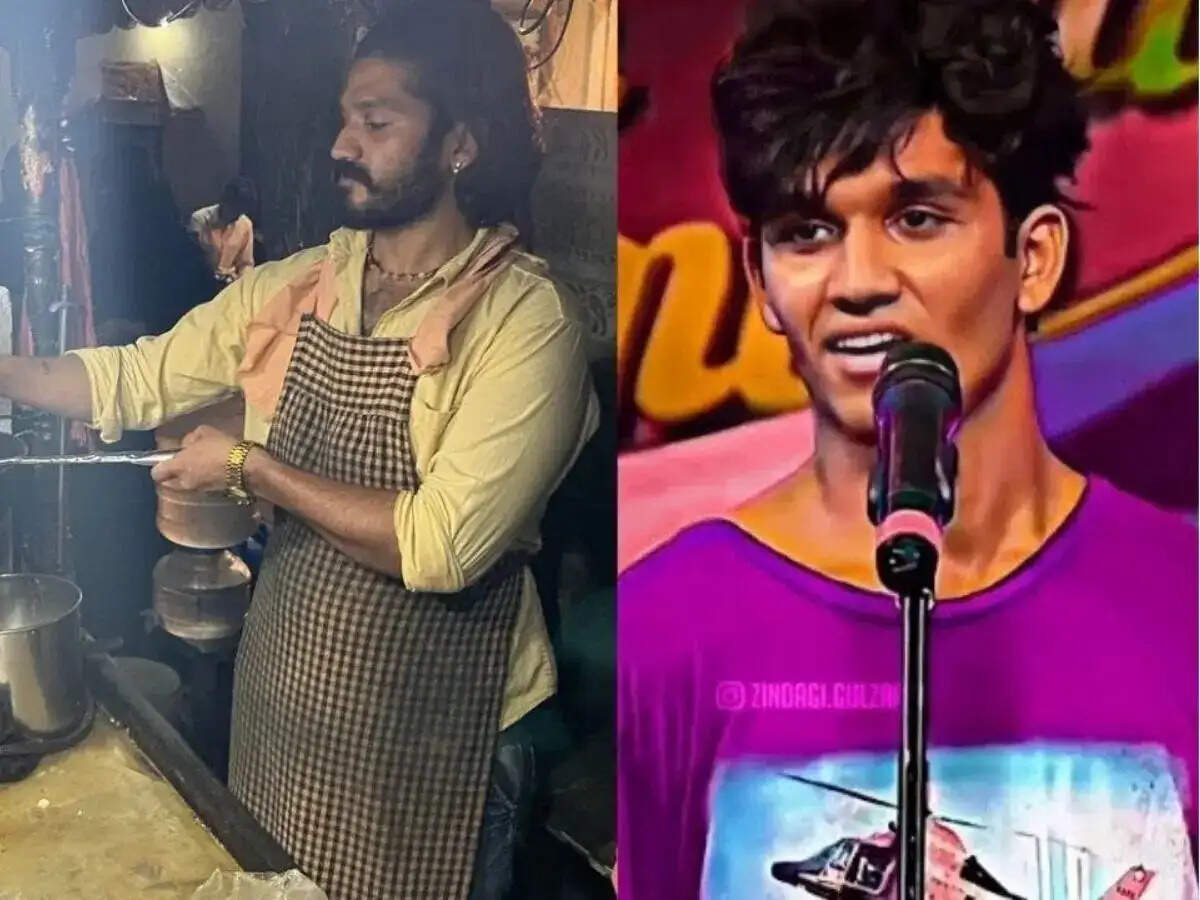
But the road did not unfold the way he had hoped. Reports say that when he went to Mumbai, he lost his bag and phone on the very first day and spent the night at Borivali station with only one set of clothes. Even then, there was a brief second chance: public support reportedly brought him back, and he filmed for an episode that was never aired. It was the kind of near-breakthrough that leaves a permanent ache behind.
When family tragedy changed everything
Just when the dream seemed to be hanging in balance, tragedy pushed it further away. After he returned home, his elder brother died unexpectedly, and the family’s emotional and financial burden shifted onto his shoulders. His parents were devastated, and Goswami chose not to leave them alone in that moment. Instead of chasing an uncertain future, he went back to the stall he had once helped at as a child. This time, he was not helping. He was the one running it.That decision changed the direction of his life. The boy who once practiced dance steps on a terrace became a man working long hours to keep a household going. Reports say he has spent more than a decade in that role, selling samosas in Hyderabad while continuing to dance for small events and college functions whenever he can. The entertainer in him, by his own account, never really left.
What his story leaves behind
Goswami’s journey is powerful precisely because it does not follow the neat script of inspiration. There is talent here, but also loss. There is recognition, but also interruption. There is hope, but it comes wrapped in duty. For many readers, especially parents, the story lands as a quiet warning about how fragile childhood dreams can be when poverty and tragedy arrive too early. A child may have promise, but promise alone does not always protect a family from reality.What remains, though, is something harder to break than fame: resilience. Goswami may no longer be on a national stage, but he has not stopped moving to his own rhythm. He sells samosas, supports his family and still dances when life gives him room. In a story filled with loss, that stubborn refusal to let go of himself may be the most moving part of all.