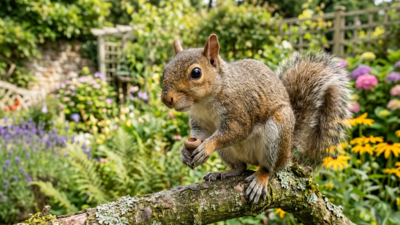
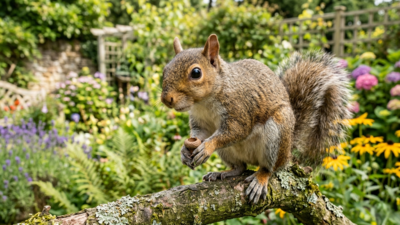
If you’ve ever walked out into your backyard garden only to find your tomato seedlings knocked over, your flower bulbs dug up, or your lovingly tended beds looking like a tiny tornado passed through, then you know the havoc squirrels can wreak. While it’s hard to stay mad at something that cute, by midsummer, most American home gardeners have had at least one squirrel-induced meltdown. The good news? You don’t need traps or chemical repellents, or a full-blown yard renovation to fix it. You may just need to grow more mint.Why does the smell of mint repel squirrels?Squirrels have an incredibly strong sense of smell. It’s how they locate food buried under inches of snow and find their way around their territory, but that same sensitivity is exactly what makes mint such a good deterrent. Mint, especially peppermint, contains a lot of menthol and pulegone, compounds that give the sharp, cooling smell we love in our teas and cocktails. For squirrels, it’s overwhelming in the worst way. According to the study, The Repellent Potential of Herbal Oils Alone and in Combination in Mouse Behavioural Models, peppermint oil consistently induced avoidance behaviour in rodents in both maze and behavioural transition experiments, suggesting a distinct aversive effect associated with the herbal scent constituents. If you’re hesitant about reaching for chemical sprays, there’s a good reason to go the herbal route. According to the study published in the Bulletin of the National Research Centre, plant-based repellents are not only effective but also biodegradable and far less harmful to the surrounding environment than their synthetic counterparts.How to properly grow mint (before it takes over your yard)Here’s the thing about mint: it’s almost too good at growing. It spreads aggressively underground and, if left unchecked, will happily colonise your entire garden bed. The fix is simple: put it in a pot. Place a terracotta or plastic pot strategically near your most vulnerable plants for all the repellent benefits without the invasive takeover. Bonus: You can move the pot around based on where squirrel activity is highest.This is where peppermint is your best bet, specifically because of its higher menthol content than spearmint or other varieties. Place it in a sunny spot, water it regularly, and it will flourish with little effort on your part. Bonus: you’ll have a constant supply of fresh mint for mojitos, iced tea, and summer salads, which really makes it one of the most practical plants to keep on a porch or patio.
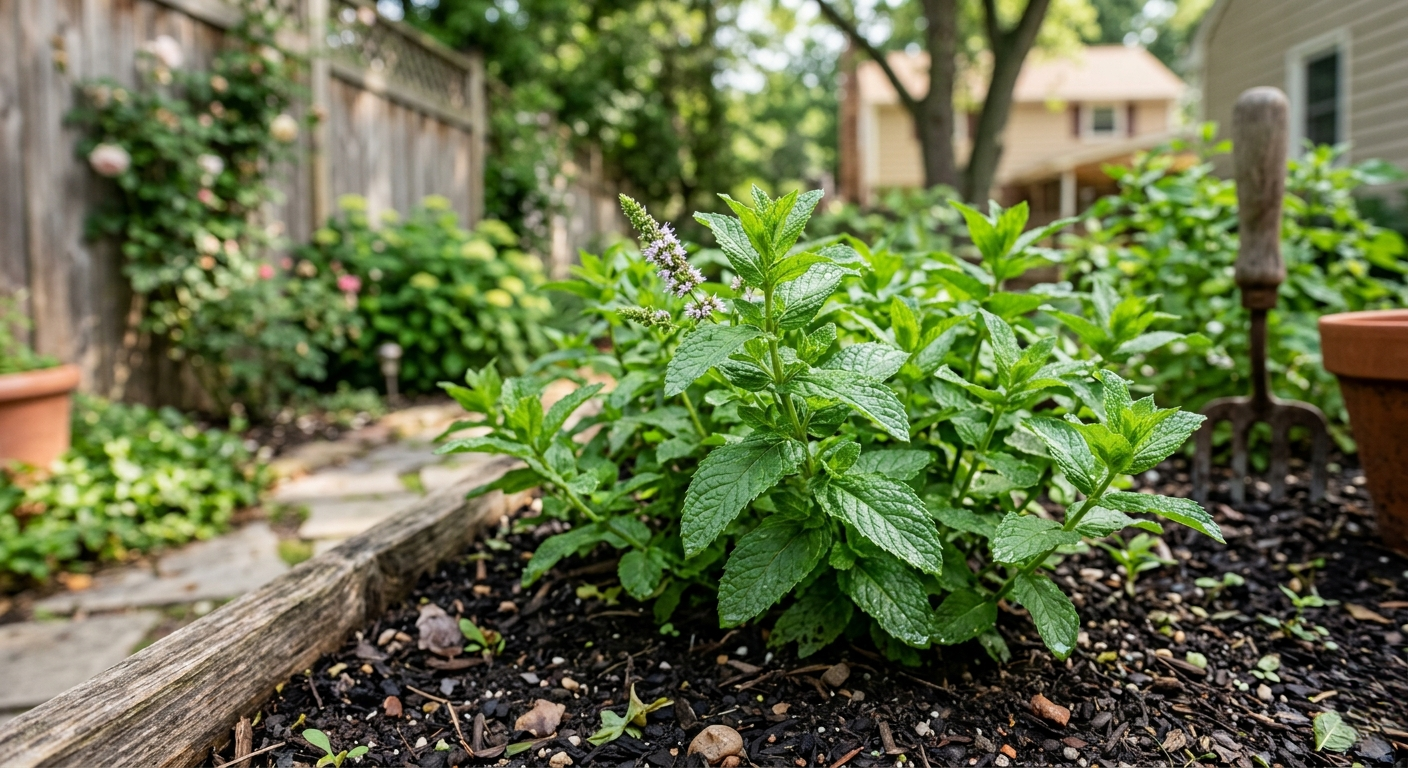
Peppermint has a higher menthol content than other mint varieties, making it the most effective choice for keeping squirrels away. Image Credits: Google Gemini
A peppermint spray for broader coverageIf you need to extend your coverage beyond the reach of a potted plant, the next level is a DIY peppermint spray. The easiest version is to mix a few drops of peppermint essential oil with water in a spray bottle. Spray it on garden borders, on the soil around seedlings, or around any entry points where squirrels appear to be entering.One more thing to keep in mind: always dilute well before spraying anywhere near your plants. Undiluted concentrated essential oils can burn foliage. A good starting point is a ratio of about 10 to 15 drops of oil per cup of water. Apply again after rain or every few days for best results.If you prefer not to use purchased oil, you can make a simple infusion by soaking crushed fresh mint leaves in a carrier oil, closing the jar and letting it steep for about four weeks.Pairing mint with other herbs Mint works even better with company. You can also create a small herb border around your garden with rosemary, basil, sage, and thyme, all of which have strong aromatic profiles that ward off particular pests. Rosemary is known to repel some beetles and flies, for example. Sage repels cabbage moths. Together, they form a fragrant barrier that makes your garden far less attractive to unwanted visitors.As an extra precaution, a light dusting of cayenne pepper around the base of your plants can act as a backup deterrent. Squirrels don’t like the capsaicin, and the combo of minty overwhelm and peppery discomfort usually sends them looking elsewhere pretty quickly.The bottom lineSquirrels aren’t villains, they’re just hungry and opportunistic, but that doesn’t mean your herb garden, berry patch or flower beds have to be their personal buffet. A strategically placed pot of peppermint, a basic spray solution and a thoughtfully planted herb border can do a lot to reclaim your outdoor space, without harming a single fuzzy intruder in the process.