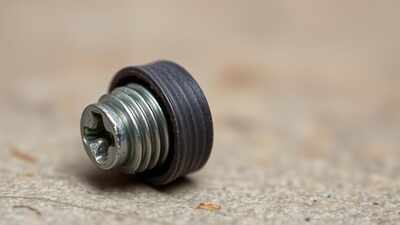
You are in the midst of working on a home renovation and find that everything has gone awry; you turn the screwdriver, hear a metallic snap and see your screw head transform into an unusable hole. You turn your screwdriver, but it fails to turn as the bit simply grinds inside, leaving a small metal shard lodged within the wall, unwilling to move. Frustration builds up, and before you know it, you are searching for the tools needed to extract the screw.The solution might already be in one of your junk drawers right now. Before you start looking for a power drill or thinking that there’s nothing left to do, give this simple trick a try: use a wide rubber band. Place the flat surface of the band over the stripped screw head, and then use your screwdriver tip to apply pressure directly on it. The rubber band serves as a makeshift gasket here, filling the stripped-out gap and providing that much-needed friction between the metal edge and your tool so that you can turn the screw back and get out. It’s an old-school hack that surprisingly follows mechanical physics principles.Understanding stripped screw failure mechanicsIn order to understand how rubber bands help remove stripped screws, it might be a good idea to examine why those screws get stripped in the first place. The screw becomes stripped when it reaches its limit due to the mechanical advantage of the screwdriver. As a result of excessive force applied to the screw, the driver cam out of the socket and scraped off any remaining metal parts. The stripping problem is prevalent even in such precise procedures as medical bone repairs.A fascinating study published in Materials explored how the shape of a screw impacts its removal. The researchers used mechanical tests and computer modelling to show that the depth of the screwdriver’s engagement is the single most important factor in preventing slippage. When a screw is stripped, that engagement disappears. By adding a rubber band, you are essentially restoring that lost volume and creating a custom-fit interface that compensates for the damaged metal, allowing the tool to bite into the screw once again.
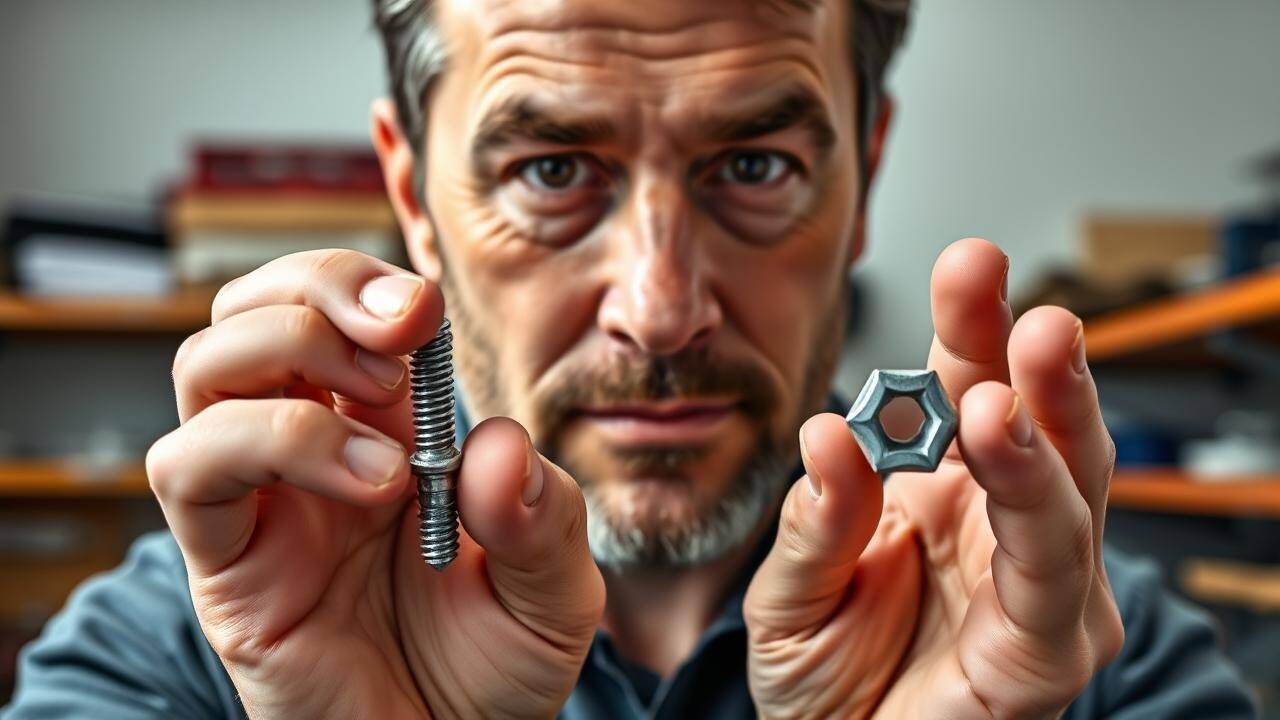
By placing a rubber band over the damaged screw and applying pressure with a screwdriver, the gap is filled, providing necessary friction to extract the screw. This method, rooted in mechanical physics, restores the lost engagement that causes slippage.
Stripping may occur due to the improper use of either force or a screwdriver. In one significant systematic review titled Surgical performance when inserting non-locking screws, the researchers revealed that even professionals occasionally experience stripping torque, that is, the situation where the twisting force surpasses the resistance of metal. As for amateurs, this is caused by being hasty. The solution in this case is to stop the screwing and ensure that your screwdriver is completely upright and that you apply a certain downward force to make screwing easier.Preventative measures and professional methodsOf course, rubber bands help a lot. However, the best thing to do is to try not to damage metal at all. Professionals recommend that if you notice that your screw is slipping, you should immediately stop using your screwdriver. Otherwise, you will just polish the metal and make it smoother. It will be useful in future to think of another kind of screw to use. For example, hex or Torx heads are less prone to stripping compared to Phillips heads.If you find yourself dealing with a screw that is so badly damaged that even a rubber band cannot save it, you might have to look toward more advanced methods. In the world of orthopaedic surgery, when a titanium screw becomes permanently stuck, doctors sometimes use a “hollow mill” tool. This is a specialised device that cuts around the screw to remove it without destroying the surrounding area. While you probably won’t need surgical tools in your kitchen, the concept is the same as using a commercial screw extractor, which drills a small hole into the centre of the stuck screw to pull it out from the inside.Always have a tiny box of wax or some kind of lubricant at your fingertips to make sure that all your work is done without much hassle. Consider how surgeons use bone wax to prevent debris from getting into the screw holes; applying a little bit of wax to the wood screw’s threads will allow you to drill it in with little effort. Combine the professional tips that you picked up from the market with some of the tricks from your own backyard, and you’ll soon find yourself capable of solving just about any problem with hardware.